Why Dublin, Ireland Should Be on Your Travel Bucket List | TravelDiari
traveldiari_admin
When I first booked my trip to Dublin, I expected history, pubs, and good beer.
What I didn’t expect was how alive the city would feel — the walkable streets,
the warmth of the people, the food scene, and the stories behind every corner.
Dublin isn’t just a destination you visit; it’s a city you experience.
From wandering the city center on foot to learning the history behind Guinness,
my recent trip made it clear why Dublin continues to draw travelers from all over
the world. Whether you’re planning a weekend getaway or a longer Irish adventure,
this guide will help you make the most of your Dublin experience.
When Is the Best Time to Visit Dublin?
Dublin is a year-round destination, but your experience can vary significantly depending on when you go.
Here’s what to expect each season to help you plan the perfect trip.
🌸 Spring & Summer (April to September)
This is peak season in Dublin, and for good reason. The days are longer (sunset can be as late as 10 PM in summer),
the weather is milder, and the city feels electric with festivals, outdoor seating, and live music spilling onto the streets. St. Patrick’s Festival in mid-March draws massive crowds, while summer brings concerts, food festivals,
and vibrant street life.
The downside? Prices are higher for both hotels and attractions, and popular sites like the Guinness Storehouse
and Trinity College can get crowded. Book accommodations and major attractions well in advance if you’re visiting
during these months. Despite the crowds, the energy is unbeatable.
🍁 Fall (October – November)
Fewer crowds, cooler temperatures, and great hotel availability make fall one of the best
times to explore Dublin comfortably. The city takes on a cozy atmosphere, with autumn leaves
lining St. Stephen’s Green and Phoenix Park. October can still be mild, while November brings
more rain but also better deals on accommodations.
This is an ideal time for pub-hopping, museum visits, and experiencing Dublin like a local.
Plus, you’ll find better availability at popular restaurants without long waits.
❄️ Winter (December – February)
Winter in Dublin is cozy and atmospheric. Think crackling fireplaces in traditional pubs,
festive Christmas markets (especially around Grafton Street), and fewer tourists competing
for space at major attractions. The city gets dressed up for the holidays, and there’s
something magical about sipping a hot whiskey in a centuries-old pub while rain patters
outside.
Bring a warm jacket and waterproof layers — Dublin’s winter weather is wet but rarely
freezing. Hotel rates drop significantly, making this an excellent time for budget travelers.
You’ll enjoy a more local, relaxed side of the city.
Why Staying in Dublin City Center Is Key
One thing I realized very quickly: staying in the city center changes everything.
Dublin is incredibly walkable, and being centrally located meant I could explore
without relying on transport or rigid schedules. Most major attractions are within
a 20-30 minute walk of each other.
From morning walks along the River Liffey to popping into pubs between sightseeing,
staying central gave me the freedom to be spontaneous. I could drop off shopping bags,
grab a quick rest, or change for dinner without losing half the day to commuting.
Key areas to consider:
Temple Bar — Lively, nightlife-focused, touristy but atmospheric
Grafton Street area — Shopping, restaurants, central to everything
O’Connell Street area — More affordable, near major bus/train stations
St. Stephen’s Green — Quieter, upscale, beautiful park nearby
Even budget hotels in these areas offer excellent value because you save on transportation
and maximize your time exploring rather than commuting.
Ready to Plan Your Dublin Weekend?
Use TravelDiari to search Dublin hotels, create your custom itinerary, and build a wishlist of must-see attractions.
Dublin can be expensive, but there are solid mid-range and budget options that don’t
compromise on location or quality. During my trip, I prioritized hotels that were:
Within walking distance of major attractions
Clean, comfortable, and well-reviewed
Priced reasonably (€80-150/night for mid-range)
Recommended hotel areas for value:
North of the Liffey (O’Connell Street area) — Generally 20-30% cheaper than south side,
still central, close to buses and Luas (tram) lines
South Great George’s Street — Trendy neighborhood with excellent restaurants,
slightly off the main tourist path but still walkable everywhere
Near Christchurch Cathedral — Historic area with character, good mix of
independent hotels and guesthouses
Pro tip: Book directly with hotels or use comparison sites, and always check if breakfast
is included. Irish breakfasts are substantial and can save you €15-20 per day on food.
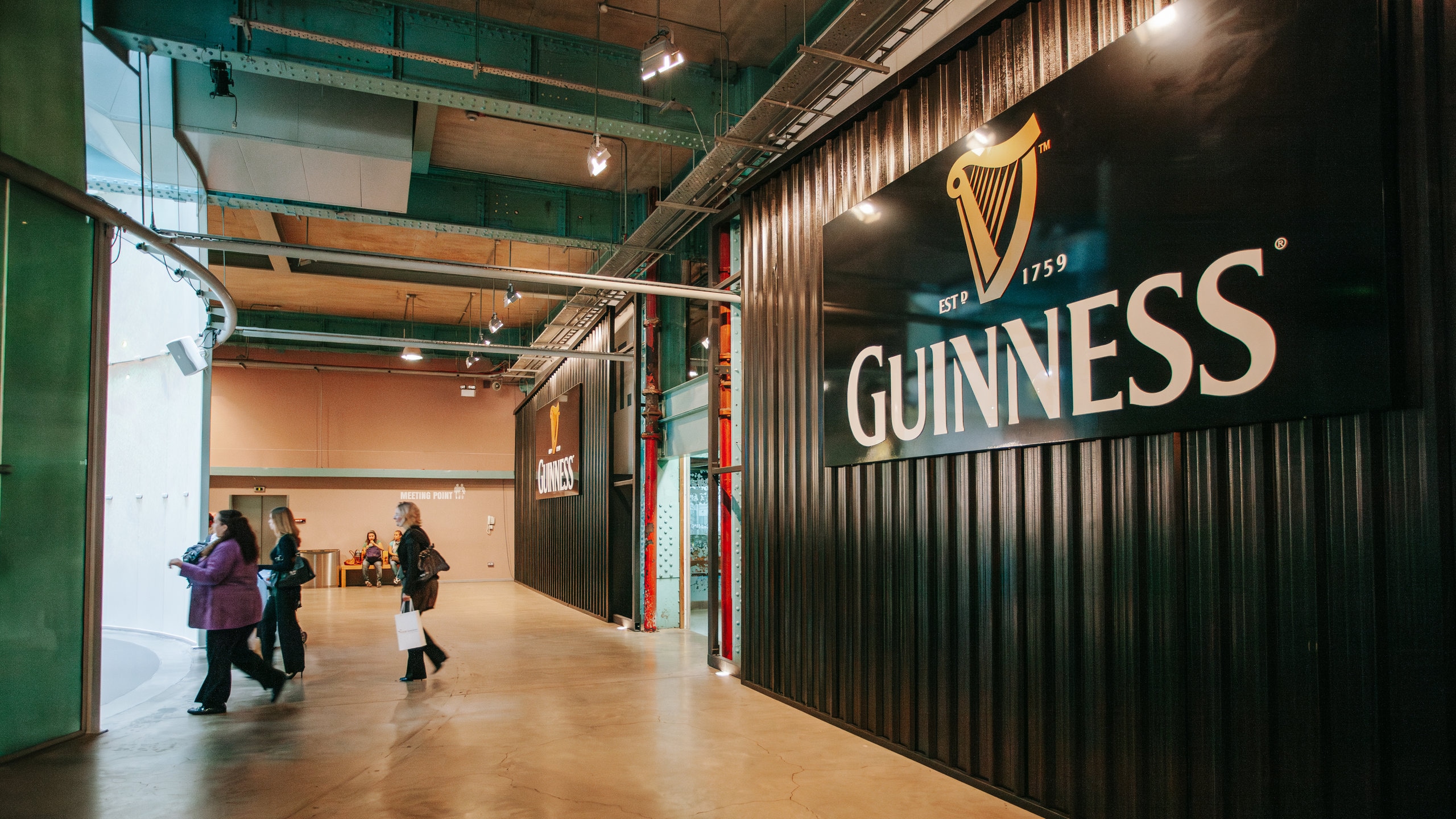
The Guinness Storehouse: Why It’s Worth the Hype
I’ll be honest — I almost skipped the Guinness Storehouse thinking it was too touristy.
That would have been a huge mistake. This isn’t just a brewery tour; it’s an immersive
experience that tells the story of Ireland’s most famous export.
The seven-story building takes you through the brewing process, the history
of the Guinness family, vintage advertising campaigns, and the art of the perfect pour.
The highlight? The Gravity Bar on the top floor, where your ticket includes
a complimentary pint with 360-degree views of Dublin.
Insider tips for visiting:
Book tickets online in advance — you’ll save money and skip long queues
Visit early morning or late afternoon to avoid peak crowds
Take time in the tasting rooms to try different Guinness varieties
The Gravity Bar gets packed around noon — go right when it opens or after 4 PM
Budget 2-3 hours for the full experience
Even if you’re not a beer drinker, the storytelling, interactive exhibits, and incredible
views make this a must-visit. Plus, you can’t say you’ve been to Dublin without having
a Guinness at the source!
Beyond Guinness: Top Dublin Attractions
Trinity College & The Book of Kells
Ireland’s oldest university (founded 1592) is stunning. The Book of Kells,
an illuminated manuscript from the 9th century, is breathtaking in person. But don’t miss
the Long Room library — it looks like something straight out of Harry Potter
with its 200,000 ancient books and marble busts.
Book online to skip lines. Early morning visits are quieter and offer better photo opportunities.
Temple Bar District
Yes, it’s touristy. Yes, drinks are more expensive. But Temple Bar is still worth experiencing,
especially during the day when you can explore cobblestone streets, vintage shops, artisan
markets, and street performers. The energy is infectious.
Pro tip: Have one drink in the famous Temple Bar pub for the experience, then venture to
less touristy pubs nearby for better prices and a more local vibe.
Dublin Castle
Don’t expect a traditional medieval castle — Dublin Castle is more of a governmental complex
with beautiful state apartments, a chapel royal, and medieval undercroft. The gardens are
peaceful and free to explore. Guided tours provide fascinating insights into Irish political
history.
St. Patrick’s Cathedral
Ireland’s largest church is architecturally stunning. Jonathan Swift (author of Gulliver’s Travels)
was dean here, and his grave is on site. The choir performances are exceptional if you time
your visit right.
Phoenix Park
One of Europe’s largest enclosed parks, bigger than Central Park! Home to wild deer,
the Dublin Zoo, and Áras an Uachtaráin (President’s residence). Perfect for a morning
run, afternoon picnic, or escaping the city bustle while staying in the city.
Dublin’s Food Scene & Pub Culture
Dublin’s culinary scene has exploded in recent years. Beyond traditional Irish fare,
you’ll find world-class international cuisine, innovative fusion restaurants, and
an incredible coffee culture.
Traditional Irish Food to Try
Irish Stew — Hearty lamb and vegetable comfort food
Fish & Chips — Fresh cod or haddock, Leo Burdock’s is iconic
Boxty — Traditional potato pancakes, savory and delicious
Seafood — Dublin Bay prawns, fresh oysters, smoked salmon
The Pub Experience
Pubs in Dublin are more than places to drink — they’re community hubs, live music venues,
and storytelling centers. Don’t just drink; listen, observe, and chat with locals.
Must-visit pubs:
The Brazen Head — Ireland’s oldest pub (est. 1198!)
O’Donoghue’s — Traditional Irish music sessions most nights
The Stag’s Head — Victorian-era pub with incredible atmosphere
Kehoe’s — Local favorite, authentic Dublin pub experience
The Long Hall — Ornate Victorian pub, gorgeous interior
Pub etiquette: Wait your turn at the bar (no table service usually), buy a round if
you’re in a group, and tip bartenders €1-2 per round. Most pubs have live traditional
music sessions — check schedules or just walk around and follow your ears!
Getting Around Dublin
Dublin’s city center is compact and walkable — most attractions are within 30 minutes
on foot. However, here are your transportation options:
Walking — Best way to experience the city, free, healthy
Dublin Bus — Extensive network, get a Leap Card for discounted fares
Luas (Tram) — Two lines (Red and Green), fast and efficient
Dublin Bikes — Bike-sharing scheme, perfect for quick trips
Taxis/Uber — Available but expensive, mostly unnecessary if staying central
Get a Leap Card (available at airports, convenience stores, transit offices)
and load it with credit. It works on buses, Luas, and DART trains, offering discounted fares
compared to cash. You can also get 1-day, 3-day, or 7-day passes if you plan heavy public
transport use.
Ireland uses Type G electrical outlets (three-prong UK plugs)
Safety & Scams
Dublin is generally very safe. Use common sense in crowded areas (pickpockets in Temple Bar
at night), avoid aggressive charity clipboard people on Grafton Street, and don’t accept
“free” roses or CDs from street vendors — they demand payment after.
Language
English is the primary language, though you’ll see Irish (Gaelic) on street signs and official
buildings. Dublin has diverse international populations, and Irish people are famously friendly
and helpful to tourists.
Day Trips from Dublin
If you have extra time, these destinations make excellent day trips:
Cliffs of Moher — Dramatic 700-foot sea cliffs (full-day trip, 3.5 hours each way)
Glendalough — Medieval monastic site in stunning valley (1 hour from Dublin)
Howth — Charming fishing village with cliff walks (30 min by DART train)
Kilkenny — Medieval city with castle and craft breweries (1.5 hours)
Newgrange — 5,000-year-old passage tomb, older than Stonehenge (1 hour)
Howth is perfect if you only have a few hours — stunning coastal walks, fresh seafood,
and easy public transport access from central Dublin.
Start Planning Your Dublin Adventure
Find the perfect Dublin hotel, create your custom itinerary, and discover hidden gems with TravelDiari’s AI-powered travel planning.
Final Thoughts: Why Dublin Should Be Your Next Trip
Dublin surprised me in the best possible way. It’s not just the Guinness or the historic
sites — it’s the spontaneous conversations in pubs, the storytelling culture, the ease
of navigating on foot, and how effortlessly you can shift from medieval history to
modern innovation within a single afternoon.
Whether you’re traveling solo, with friends, as a couple, or with family, Dublin offers
something for everyone. The city is small enough to feel intimate but diverse enough to
never feel boring. Three to four days is ideal for experiencing the main attractions
while still having time to wander, discover hidden pubs, and soak in the atmosphere.
Book your accommodation in the city center, embrace the pub culture, don’t skip the
Guinness Storehouse, and most importantly — talk to locals. Some of my best memories
came from random conversations that led to restaurant recommendations, historic trivia,
and a deeper appreciation for Irish culture.
Dublin isn’t just a destination you visit — it’s a city that welcomes you home.
Quick Reference: Dublin Travel Checklist
✅ Book city center accommodation 2-3 months ahead (especially peak season)
✅ Reserve Guinness Storehouse & Trinity College tickets online in advance
✅ Get Leap Card for public transportation
✅ Pack waterproof jacket and comfortable walking shoes
✅ Download offline maps of Dublin
✅ Check pub live music schedules
✅ Plan at least one day trip (Howth or Glendalough recommended)
✅ Budget €100-150 per day for comfortable mid-range travel
✅ Try traditional Irish breakfast, fish & chips, and Irish stew
✅ Experience at least 3-4 different pubs for diverse atmospheres
Ready to plan your next adventure?
Join thousands of travelers who are exploring the world smarter with TravelDiari's AI-powered planning.