Top 5 Sacred Lands Every World Traveler Should Visit | TravelDiari
Top 5 Sacred Lands Every World Traveler Should Visit: A Journey Through the World’s Religions
Explore the world’s most sacred destinations from major religions—discover deep history, breathtaking architecture, and cultural foundations that shaped civilization.

Across centuries and continents, religion has shaped human history, culture, architecture, philosophy, and community. Whether or not you follow a particular faith, exploring religious lands offers something extraordinary—deep history, timeless stories, spectacular architecture, and a window into the lives and beliefs of billions of people.
This guide highlights the top sacred destinations for Christianity, Judaism, Islam, Hinduism, Buddhism, Sikhism, and additional spiritual traditions. More than a pilgrimage guide, this is an invitation for any global traveler to enrich their worldview and experience the cultural foundations that built modern civilization.
1. Jerusalem, Israel – Christianity, Judaism, and Islam
Christianity
Judaism
Islam
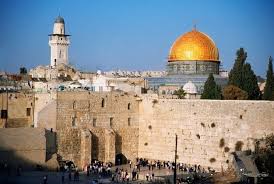
Jerusalem is arguably the most spiritually significant city in the world—a sacred epicenter for Christians, Jews, and Muslims. Its ancient streets tell stories that have shaped thousands of years of worship, empires, conflict, and coexistence.
Why Visit?
- Christianity: Walk the Via Dolorosa (the path Jesus took to crucifixion), visit the Church of the Holy Sepulchre (believed to be the site of Jesus’ crucifixion and resurrection), and explore sites tied to Jesus’ life and ministry.
- Judaism: Experience the Western Wall (Kotel), Judaism’s holiest accessible site and remnant of the Second Temple.
- Islam: Visit Al-Aqsa Mosque and the magnificent Dome of the Rock, one of Islam’s most iconic shrines and the third holiest site in Islam.
- Old City’s four quarters (Jewish, Christian, Muslim, Armenian)
- Garden of Gethsemane
- Mount of Olives viewpoint
- City of David archaeological site
- Yad Vashem Holocaust Memorial
Regardless of your religious background, Jerusalem offers profound history, breathtaking views, and cultural depth unmatched by any other city. The energy of thousands of years of devotion is palpable in every stone.
Useful resources:
2. Varanasi, India – Hinduism
Hinduism
Buddhism

Varanasi, situated on the banks of the sacred Ganges River, is the spiritual heart of Hinduism—one of the world’s oldest living religions. It is believed to be the abode of Lord Shiva, and Hindus across the globe consider visiting Varanasi a life-changing, soul-cleansing experience.
Why Visit?
- Ganga Aarti Ceremony: Witness the mesmerizing evening prayer ritual at Dashashwamedh Ghat with fire, chants, and bells—a breathtaking display of devotion.
- Ancient Temples: Explore Kashi Vishwanath Temple, dedicated to Shiva and one of the 12 Jyotirlingas (most sacred Shiva shrines).
- Living History: Experience a spiritual culture that dates back more than 3,000 years, with continuous habitation making it one of the world’s oldest cities.
- Spiritual Atmosphere: Take a sunrise boat ride along the ghats to witness pilgrims bathing, priests performing rituals, and the city awakening.
- Sunrise boat ride on the Ganges
- Evening Ganga Aarti at Dashashwamedh Ghat
- Kashi Vishwanath Temple (dress modestly, no photography inside)
- Sarnath Buddhist site (where Buddha gave his first sermon)
- Walking tour through narrow lanes of the old city
Varanasi blends devotion, philosophy, music, color, and tradition in a way that captivates travelers from every walk of life. It’s intense, overwhelming, and profoundly moving—prepare for sensory overload in the best way possible.
Useful resources:
3. Mecca & Medina, Saudi Arabia – Islam
Islam

For Muslims, Mecca and Medina hold the two holiest sites in Islam. Mecca is the birthplace of the Prophet Muhammad and home to the Kaaba—Islam’s central spiritual symbol toward which all Muslims pray. Medina hosts the Prophet’s Mosque (Al-Masjid an-Nabawi) and is where the Prophet Muhammad is buried.
Why Visit? (For Muslim Travelers)
- Hajj & Umrah: Experience the profound unity of millions of pilgrims during Hajj (mandatory pilgrimage) or Umrah (lesser pilgrimage).
- Masjid al-Haram: Visit the Grand Mosque in Mecca, the largest mosque in the world, and perform Tawaf (circling the Kaaba).
- Medina’s Serenity: Explore the peaceful spirituality of Al-Masjid an-Nabawi, one of the most beautiful mosques in the Islamic world.
- Historical Sites: Visit Cave Hira where Prophet Muhammad received the first revelation, and Jannat al-Baqi cemetery.
- The Kaaba and Masjid al-Haram (Mecca)
- Mount Arafat (site of Hajj’s most important ritual)
- Al-Masjid an-Nabawi and the Prophet’s tomb (Medina)
- Quba Mosque (first mosque in Islam)
- Cave Hira and Mount Nur
Even if you do not practice Islam, learning about these cities enriches your understanding of a religion followed by nearly 2 billion people worldwide. The devotion and spiritual discipline shown during pilgrimage is one of humanity’s most remarkable displays of faith.
Useful resources:
4. Lumbini, Nepal – Buddhism
Buddhism

Lumbini is the birthplace of Siddhartha Gautama—who later became the Buddha, the enlightened one. Set in the peaceful plains of southern Nepal, this UNESCO World Heritage Site offers tranquility, deep spiritual introspection, and a connection to one of history’s most influential spiritual teachers.
Why Visit?
- Maya Devi Temple: Visit the exact spot where Buddha was born in 623 BCE, marked by an ancient stone pillar erected by Emperor Ashoka in 249 BCE.
- International Monasteries: Explore monasteries built by Buddhist nations worldwide (China, Thailand, Myanmar, Japan, Vietnam, and more), each reflecting unique architectural traditions.
- Sacred Garden: Walk through peaceful meditation gardens and around the sacred Puskarini Pond where Buddha’s mother bathed before his birth.
- Meditation Centers: Participate in meditation courses and retreats offered by various Buddhist traditions.
- Maya Devi Temple and Ashoka Pillar
- Sacred Garden and Puskarini Pond
- World Peace Pagoda
- Lumbini Museum
- International monastery zone (especially Myanmar Golden Temple and Chinese monastery)
Lumbini’s serene environment provides a refuge from the modern world and invites travelers to explore mindfulness, compassion, and the teachings that have guided hundreds of millions toward inner peace for 2,500 years.
Useful resources:
5. Amritsar, India – Sikhism
Sikhism

Amritsar is home to the Golden Temple (Sri Harmandir Sahib), the holiest site in Sikhism and one of the most beautiful religious buildings in the world. Known for its stunning architecture, radical hospitality, and spiritual openness, it welcomes millions of visitors every year regardless of religion, nationality, caste, or creed.
Why Visit?
- Architectural Marvel: Marvel at the Golden Temple’s stunning gold-plated architecture set above the sacred Amrit Sarovar (Pool of Nectar), especially breathtaking at sunrise and sunset.
- World’s Largest Free Kitchen: Experience the Langar (community kitchen) which serves over 100,000 free meals daily to anyone who visits—a living example of equality and service.
- Sikh Philosophy: Learn about Sikhism’s core values rooted in equality, service (seva), humility, and devotion to one God.
- Spiritual Music: Listen to the continuous kirtan (devotional singing) from the Guru Granth Sahib, Sikhism’s holy scripture.
- Golden Temple visit at sunrise and sunset
- Participate in Langar (sit on the floor and eat with everyone, regardless of background)
- Volunteer in the kitchen washing dishes (powerful experience)
- Jallianwala Bagh memorial (site of 1919 massacre)
- Wagah Border ceremony (India-Pakistan border flag ceremony)
Amritsar is not only spiritually enriching—it teaches the power of community, kindness, and selfless service. The experience of eating Langar alongside people from all walks of life is profoundly moving and embodies humanity at its best.
Useful resources:
Other Sacred Lands Worth Adding to Your List

Beyond the top five, the world offers countless sacred destinations that deserve exploration:
- Mount Sinai, Egypt — Sacred mountain where Moses received the Ten Commandments (Judaism, Christianity, Islam). Climb for sunrise views.
- Bodh Gaya, India — Site where Buddha attained enlightenment under the Bodhi Tree. Mahabodhi Temple is UNESCO-listed.
- Fátima, Portugal — Major Catholic pilgrimage site where the Virgin Mary reportedly appeared to three shepherd children in 1917.
- Mount Kailash, Tibet — Sacred to Hindus, Buddhists, Jains, and Bon followers. Circumambulating (kora) is believed to cleanse sins.
- Shikoku Pilgrimage, Japan — 1,200km route connecting 88 Buddhist temples. Takes 1-2 months to complete on foot.
- Hagia Sophia, Istanbul — Former church, mosque, and now mosque again. Represents centuries of religious transformation.
- Vatican City, Rome — Center of Catholic Christianity. St. Peter’s Basilica and the Sistine Chapel are unmissable.
- Kyoto, Japan — Home to thousands of Buddhist temples and Shinto shrines, including Fushimi Inari and Kinkaku-ji.
Why These Sacred Lands Belong on Every Traveler’s Wishlist
Religious or not, visiting sacred lands offers transformative experiences that typical tourist destinations cannot match:
- Unmatched Historical Insight: These are the places where civilizations, philosophies, and moral frameworks were born and shaped.
- Cultural Enrichment: Understand traditions, communities, and rituals firsthand rather than through books or screens.
- Architectural Marvels: From ancient temples to towering mosques to gilded shrines—spiritual architecture represents humanity’s finest craftsmanship.
- Personal Growth: Travelers consistently describe these destinations as deeply moving, perspective-shifting experiences.
- Connection to Humanity: Witness global devotion, humility, and unity that transcends language, nationality, and background.
- Mindfulness & Reflection: Sacred spaces naturally invite introspection, meditation, and meaningful thought.
You leave these places not just with photos and souvenirs—but with wisdom, humility, renewed appreciation for human diversity, and often a deeper understanding of your own beliefs and values.
Planning Your Sacred Journey with TravelDiari

Whether you’re exploring the ancient ghats of Varanasi, walking Jerusalem’s Via Dolorosa, or meditating at Buddha’s birthplace in Lumbini, planning a sacred journey requires thoughtful preparation.
Tips for Planning Sacred Travel
- Research visa requirements well in advance (some sacred sites have specific entry requirements)
- Check religious holiday calendars—visiting during festivals offers unique experiences but also larger crowds
- Book accommodations close to sacred sites for sunrise/sunset visits
- Allow buffer days for spontaneous exploration and reflection
- Consider hiring local guides who can explain religious significance and customs
- Pack modest clothing suitable for temple/mosque/church visits
- Bring respectful curiosity and an open mind
Start planning your sacred journey today:
www.traveldiari.com